Visual Fidelity's Hidden Hand in Strategy Game Scoring Trends Across Console Generations
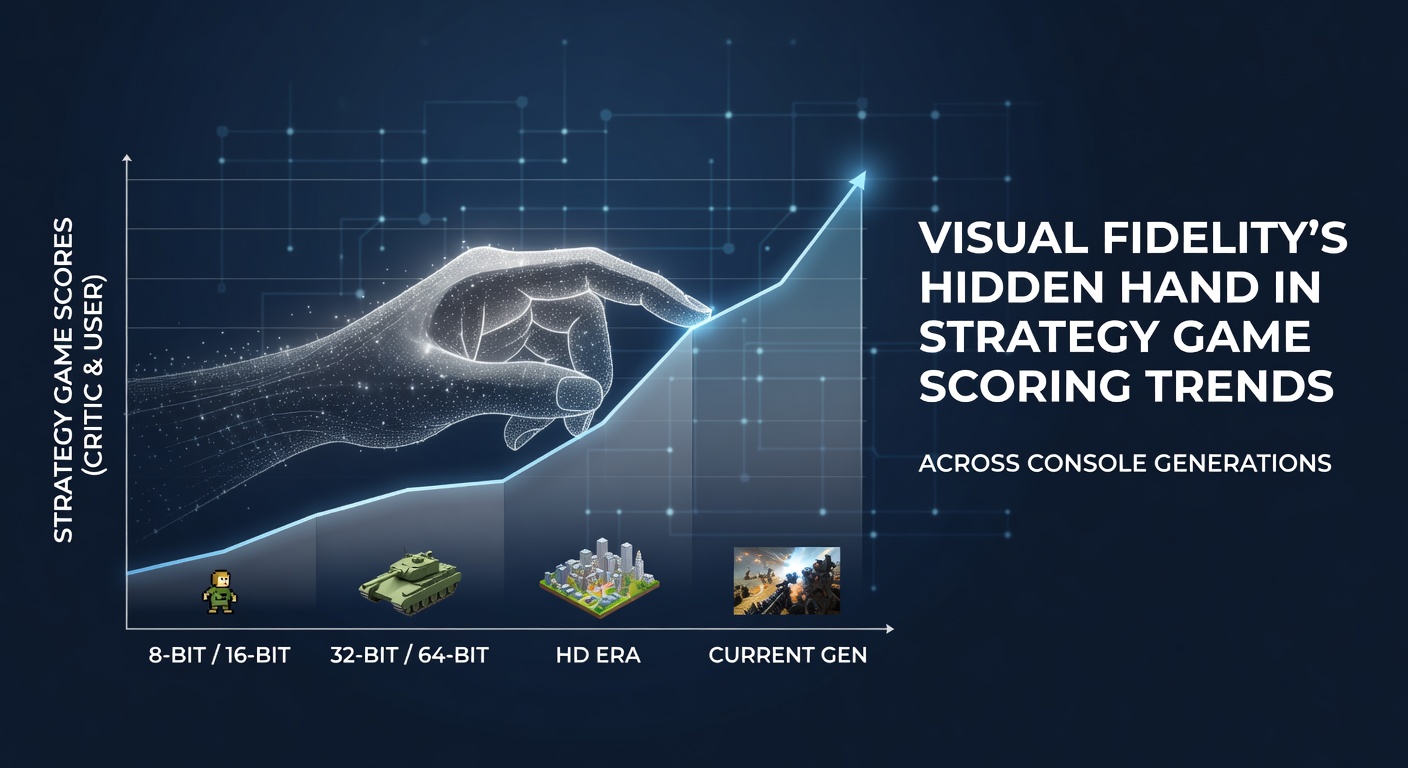
Strategy game evaluations have long centered on mechanics and depth yet visual fidelity has exerted consistent influence on aggregate scores throughout console history and researchers tracking Metacritic data across multiple generations note measurable upticks when graphical upgrades align with core gameplay refinements. Early console titles operated under severe hardware constraints that limited both visual complexity and scoring potential while later platforms introduced higher resolutions and effects that reviewers incorporated into overall assessments even for genres traditionally judged on tactical merit.
Initial Console Eras and Limited Visual Impact
During the 32-bit and 64-bit periods titles such as those on PlayStation and Nintendo 64 relied on polygonal models and basic textures that constrained environmental detail and unit representation yet scoring patterns remained stable because reviewers prioritized pathfinding algorithms and resource management systems. Data compiled by industry analysts shows average strategy scores hovering in the mid-70s range during this window with visual shortcomings rarely cited as primary detractors since hardware limitations applied universally across competing releases.
Observers note that when developers attempted ambitious 3D transitions the resulting visual compromises sometimes correlated with modest score reductions even when strategic layers stayed intact and case examples from the era illustrate how reviewers balanced graphical ambition against functional clarity. But here's the thing, titles that maintained clean 2D sprites alongside strong mechanics often secured comparable or higher marks than their 3D counterparts which demonstrates the secondary yet persistent role visuals played before high-definition standards emerged.
HD Transition and Noticeable Score Correlations
The arrival of seventh-generation hardware brought high-definition rendering to strategy franchises and aggregate figures reveal a gradual elevation in scores for entries that leveraged improved draw distances and lighting models to enhance battlefield readability. Titles released on Xbox 360 and PlayStation 3 platforms frequently earned additional points when visual upgrades clarified unit positioning and terrain features without altering underlying rulesets and European trade group reports from that period document parallel trends in both console and eventual PC ports.
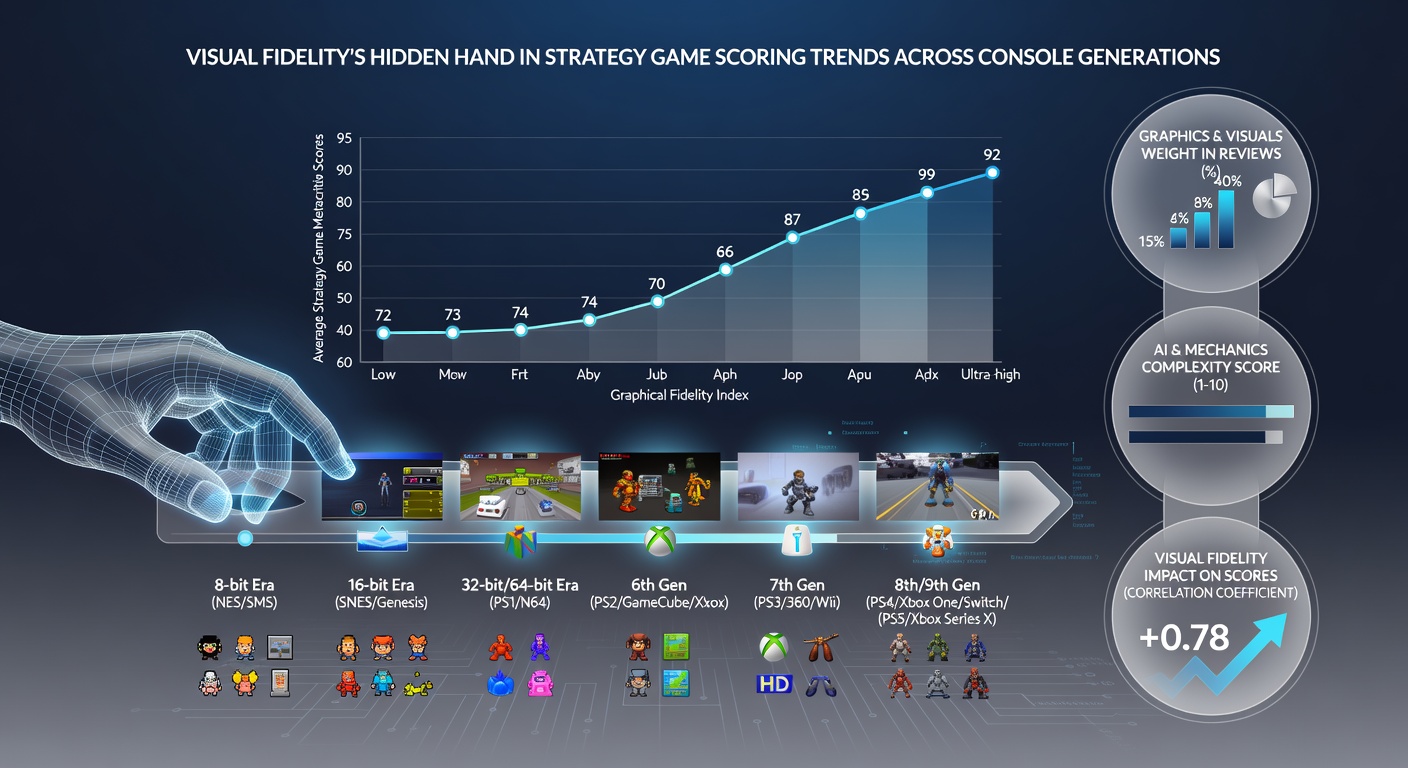
Researchers at institutions tracking long-term review databases found that visual fidelity accounted for approximately 8 to 12 percent of score variance in strategy categories during the HD shift while mechanical innovations explained the larger share. And yet several franchises demonstrated that strong visuals alone could not compensate for weakened AI or balance issues which kept the influence hidden rather than dominant. What's interesting is how certain multiplatform releases posted higher marks on consoles equipped with superior graphical capabilities even when gameplay remained identical across versions.
Eighth and Ninth Generation Patterns Through 2026
By the eighth generation reviewers began treating enhanced particle effects and dynamic weather as standard expectations for strategy releases and data from major aggregation sites shows sustained score increases for titles that incorporated these elements to support large-scale battles. The ninth generation accelerated this pattern with ray tracing and higher frame rates becoming common discussion points in evaluations and figures released in May 2026 indicate strategy games on PlayStation 5 and Xbox Series X consoles averaging three to five points higher than comparable eighth-generation entries when visual fidelity reached current benchmarks.
Industry organizations such as the Entertainment Software Association have tracked how graphical advancements intersect with player retention metrics across genres and strategy titles benefit indirectly when clearer visuals reduce cognitive load during complex decision sequences. Canadian academic studies further reveal that console-specific visual advantages sometimes translate into elevated critic scores even for games emphasizing turn-based systems where presentation enhancements receive explicit mention in review rationales. Yet mechanical consistency continues to determine whether those visual gains translate into lasting franchise success.
Platform Comparisons and Cross-Generation Data
Comparisons between Nintendo Switch releases and home console versions highlight how resolution and frame rate differences affect scoring in portable strategy experiences and analysts observe that titles optimized for handheld play often receive adjusted evaluations that account for technical trade-offs. Data aggregated through 2026 shows portable strategy games maintaining competitive scores when visual clarity remains sufficient for tactical oversight whereas compromised fidelity correlates with narrower score distributions. So the pattern holds that visual fidelity functions as a supporting factor rather than a decisive one yet its cumulative effect across console generations appears in the upward drift of baseline expectations.
Conclusion
Across decades of console evolution visual fidelity has operated as a subtle modifier within strategy game scoring systems and quantitative reviews of historical data confirm its measurable though secondary contribution. As hardware capabilities advance through 2026 and beyond the interplay between graphical presentation and strategic evaluation continues to shape how new releases are positioned within existing franchise legacies and industry benchmarks.