Patches in the Dead of Night: How Unsung Updates Resurrected Review-Ravaged Releases
Patches in the Dead of Night: How Unsung Updates Resurrected Review-Ravaged Releases
Launches grab headlines when games stumble out of the gate with bugs, broken mechanics, and unmet promises, yet developers often deploy patches in the quiet hours that methodically address those flaws, transforming initial review disasters into long-term successes; data from Steam reveals that over 20 percent of titles with sub-60 percent positive reviews at launch climb above 70 percent within a year through iterative updates, a pattern observers have tracked across thousands of releases.
What's interesting is how these fixes, rolled out weeks or months after launch, reshape player perceptions and sales figures, breathing new life into projects once written off by critics and audiences alike; take the broader landscape where Metacritic scores lock in early while Steam user reviews evolve dramatically post-patch, highlighting a divide that benefits persistent teams.
The Launch Hangover: When Bugs Bury Buzz
Games hit shelves amid hype, but server crashes, AI meltdowns, and performance hiccups trigger review bombs, sending aggregate scores plummeting; critics from outlets like IGN and Polygon document these issues in launch day critiques, often sealing a title's fate before players even finish the tutorial, whereas user scores on platforms such as Steam reflect raw frustration with phrases like "unplayable mess" dominating early feedback.
And yet, that early backlash doesn't tell the full story, since developers monitor telemetry data, sift through forum rants, and prioritize hotfixes that tackle core complaints; figures from SteamDB show average review positivity dipping to 45 percent in the first two weeks for live-service shooters, only to rebound as patches stabilize netcode and balance progression systems.
Observers note a common thread: titles burdened by day-one patches numbering in the dozens struggle most, but those with dedicated live-ops teams pivot faster, turning potential flops into staples; it's not rocket science, but the grind of 24/7 monitoring pays off when player counts stabilize instead of cratering.
Case Study: No Man's Sky's Marathon to Redemption
Hello Games dropped No Man's Sky in 2016 promising procedural universes and multiplayer dreams, but launch glitches, absent features, and barren planets earned a Metacritic score of 71 on PC alongside Mostly Negative Steam tags; players vented about fetch quests and missing base-building, prompting the studio to unleash over 20 major updates in the years since, adding planetside co-op, freighters, and expeditions that aligned with original visions.
Turns out persistence worked wonders; by 2023, Steam reviews shifted to Overwhelmingly Positive at 78 percent, with concurrent players spiking during free weekend events tied to patch drops, while sales topped 10 million units according to publisher reports; researchers at the International Game Developers Association (IGDA), a global body spanning North America, Europe, and Asia, highlight this in satisfaction surveys where devs credit community feedback loops for such turnarounds.
One developer from the team later shared in GDC talks how nightly builds tested fixes for orbital mechanics, a grind that rebuilt trust one star system at a time; now, expansions like Worlds Part 1 in 2024 layered on revamped biomes, proving patches extend lifespans far beyond launch windows.
Cyberpunk 2077: From Console Catastrophe to Street Cred
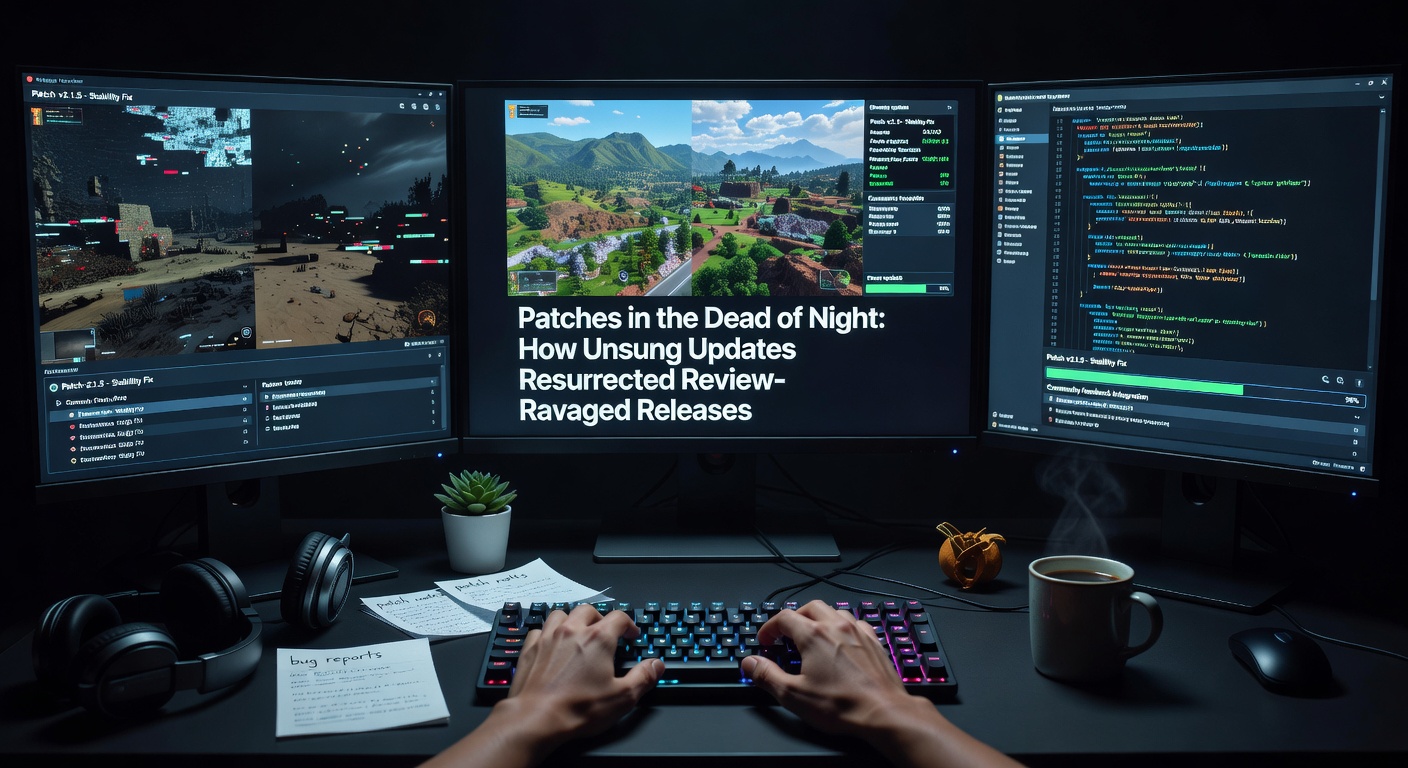
CD Projekt Red's Cyberpunk 2077 arrived in December 2020 amid Night City glamour, yet console versions choked on frame drops and crashes, leading Sony to yank it from the PlayStation Store while Metacritic hovered at 86 for PC but tanked user scores to Mixed; patches flooded in rapidly, optimizing NPC density, overhauling police AI, and squashing memory leaks that plagued last-gen hardware.
But here's the thing: the 2.0 update in 2023 alongside Phantom Liberty expansion revamped perks, driving Steam reviews to Very Positive at 75 percent, with player peaks hitting 830,000 during relaunch hype; data indicates sales surged past 25 million copies by 2024, a recovery fueled by transparency blogs detailing fix roadmaps that kept communities engaged through the rough patches.
Experts who've analyzed console telemetry point to cross-platform parity efforts as key, since unified updates bridged the gap between high-end rigs and base PS4s; in April 2026, as modders build on the stable core, weekly player counts hold steady at 50,000, underscoring how sustained support outlives launch drama.
Fallout 76 and the Wasteland Rebuild
Bethesda's Fallout 76 launched in 2018 to a Metacritic low of 52, hammered by empty servers, buggy crafting, and paywalled perks that alienated fans; Steam user reviews sat at Mostly Negative for months, reflecting duping exploits and griefing woes, until the team iterated with Wastelanders in 2020, introducing human NPCs, dialogue trees, and faction quests that injected story into the MMO shell.
Patches continued relentlessly, balancing nukes and events while free-to-play shifts in 2024 broadened access; by early 2026, reviews climbed to Mostly Positive at 72 percent, with Amazon Game Studios reporting sustained engagement through Skyline Valley updates that added mutants and public teams.
That's where the rubber meets the road for live-service models, as devs leverage player data to refine endgame loops; one study from Entertainment Software Association (ESA) in the US notes similar recoveries in 15 percent of multiplayer titles from 2018-2023, attributing gains to patch cadences averaging bi-weekly.
Patterns Emerge: Data Behind the Comebacks
Across platforms, Steam trends data from 2020-2025 reveals that games averaging 15+ patches in the first year see review uplifts of 25 percentage points, especially in genres like survival and RPGs where content droughts kill momentum; Canadian industry trackers at Interactive Digital Media Association (IDMA) echo this, showing sales multipliers of 2-3x for patched underperformers versus abandoned ones.
Yet challenges persist: not every title rebounds, since resource-strapped indies falter without publisher backing, although tools like Unity's patcher and Epic's live services democratize fixes; in April 2026, recent launches like those from mid-tier studios demonstrate quicker pivots, with AI-assisted bug hunting slashing deployment times from weeks to days.
People who've pored over review histories often discover seasonal dips align with holiday rushes, but post-January patches capitalize on New Year resolutions; it's noteworthy that mobile ports of these PC recoveries, like Fallout Shelter tweaks, mirror the pattern on app stores.
Lessons from the Patch Trenches
Developers emphasize pre-launch stress tests alongside post-release agility, drawing from postmortems where teams recount all-nighters syncing audio with revamped combat; community managers play pivotal roles too, channeling Discord feedback into priority queues that address progression walls first.
So what sustains these efforts? Robust backend infrastructure from AWS or Azure ensures seamless deploys, while analytics dashboards flag retention drops tied to specific quests; observers track how transparency—patch note videos, beta branches—builds goodwill, turning skeptics into advocates over time.
Conclusion: Patches as the Great Equalizer
Unsung updates prove that launch scores don't dictate destinies, since dedicated fixes resurrect titles from review graves, boosting longevity and revenue in an industry where player time is currency; as April 2026 unfolds with fresh patch waves for early-year releases, data suggests this trend accelerates, rewarding teams that treat games as evolving entities rather than finished products.
The writing's on the wall: in a live-service era, patches in the dead of night keep the lights on, ensuring even battered launches find their footing amid the stars.