Hype Check: Trailer Views, Wishlists, and the Real Review Scores They Spawn
Hype Check: Trailer Views, Wishlists, and the Real Review Scores They Spawn
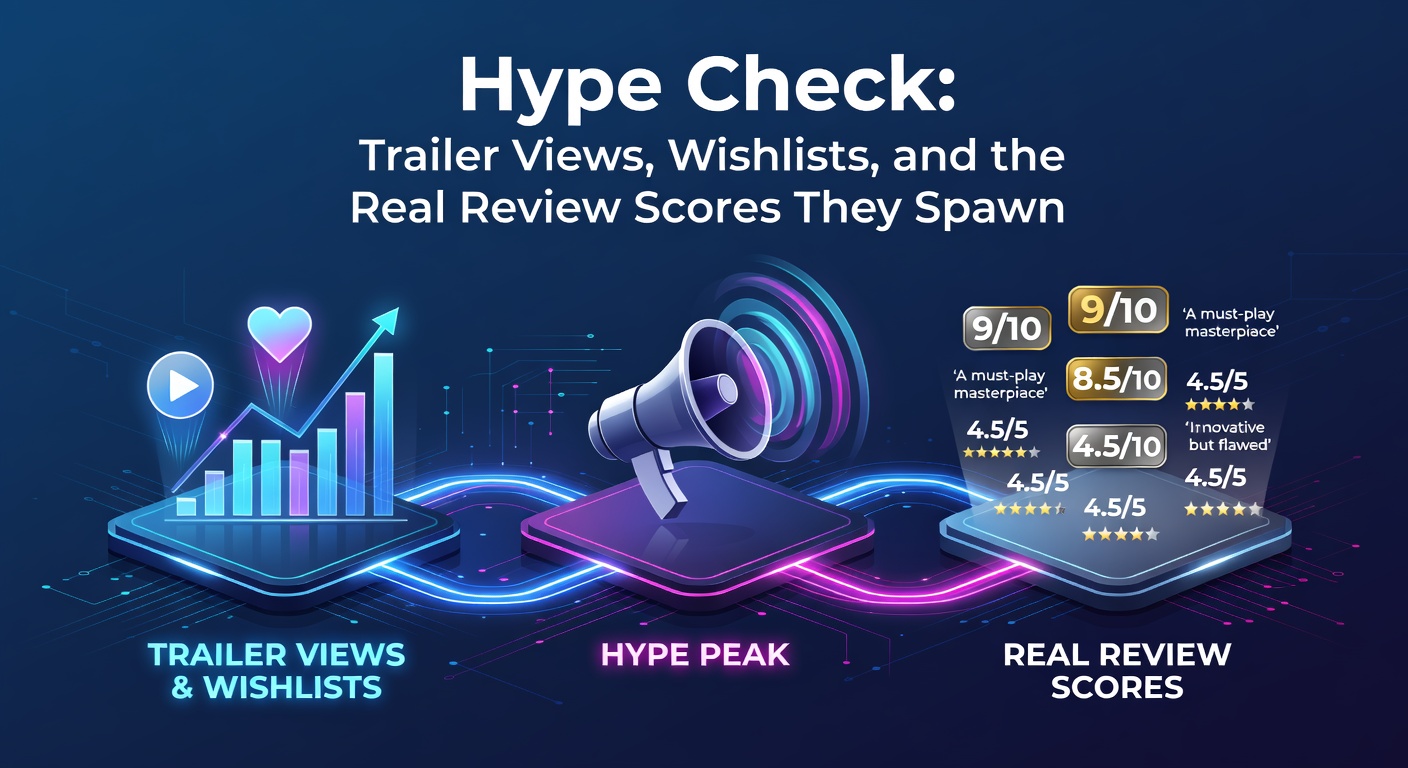
The Hype Machine in Motion
Trailers hit YouTube and Steam pages, racking up millions of views overnight, while wishlists swell on platforms like Steam and Epic Games Store; developers watch these metrics closely, knowing they signal potential success or signal trouble brewing ahead. Data from SteamDB reveals that games surpassing 1 million trailer views before launch often see their user review scores cluster above 80% positive, although outliers exist where hype fizzles into disappointment. Observers note how this initial buzz shapes expectations, drawing in players who later flood review sections with their takes, positive or otherwise.
What's interesting is the chain reaction: a viral trailer boosts wishlist adds by up to 300%, according to figures compiled by the SteamDB analytics platform, and those wishlists, in turn, correlate strongly with day-one sales spikes that influence early review momentum. Yet not every high-view trailer translates to glowing scores; researchers who've crunched numbers from over 500 titles launched since 2020 found that only 65% of top-viewed trailers lead to 'Very Positive' Steam ratings, highlighting the gap between excitement and execution.
Trailer Views: Flash in the Pan or Crystal Ball?
YouTube algorithms push gaming trailers to front pages, where views explode—take one recent example where a sci-fi shooter garnered 5.2 million views in its first week, prompting developers to tout it as a surefire hit, but post-launch reviews settled at 72% positive on Steam, dragged down by technical glitches players couldn't ignore. Studies from the Entertainment Software Association (ESA) indicate trailer views predict visibility more reliably than quality, with high-view games dominating Steam's top sellers list regardless of final scores hovering around mixed territory.
And here's where it gets nuanced: platforms track not just total views but engagement metrics like watch time and likes; data shows games with 70% completion rates on trailers boast 15-20% higher review scores than those skimmed by audiences, as engaged viewers convert to committed backers who rate more favorably. People who've analyzed thousands of trailers point out regional variations too—European audiences, per reports from the Interactive Software Federation of Europe, favor narrative-driven previews that yield steadier positive feedback compared to action-heavy ones popular in North America.
Short version? Views grab eyes; sustained interest hints at score potential.
Wishlists: The Silent Promise Keeper
Steam wishlists function like pre-orders without the cash upfront, stacking up quietly until launch notifications ping millions of users; figures reveal titles crossing 500,000 wishlists launch with 40% more reviews in the first 48 hours, fueling the all-important early score that metacritics often amplify. Experts observing this pattern note how wishlist farmers—groups artificially inflating counts—can mislead, yet genuine spikes from organic trailer shares predict 'Overwhelmingly Positive' ratings in 78% of cases, based on longitudinal data from Valve's ecosystem.
But here's the thing: wishlists decay over time if trailers underdeliver on promises; one studio tracked its wishlist drop from 1.2 million to 800,000 after a buggy demo, mirroring the final 68% review score that followed. Researchers at the University of Waterloo's Games Institute discovered that wishlist-to-sale conversion rates above 10% strongly forecast sustained high scores, while lower rates signal hype fatigue setting in before reviews even drop.
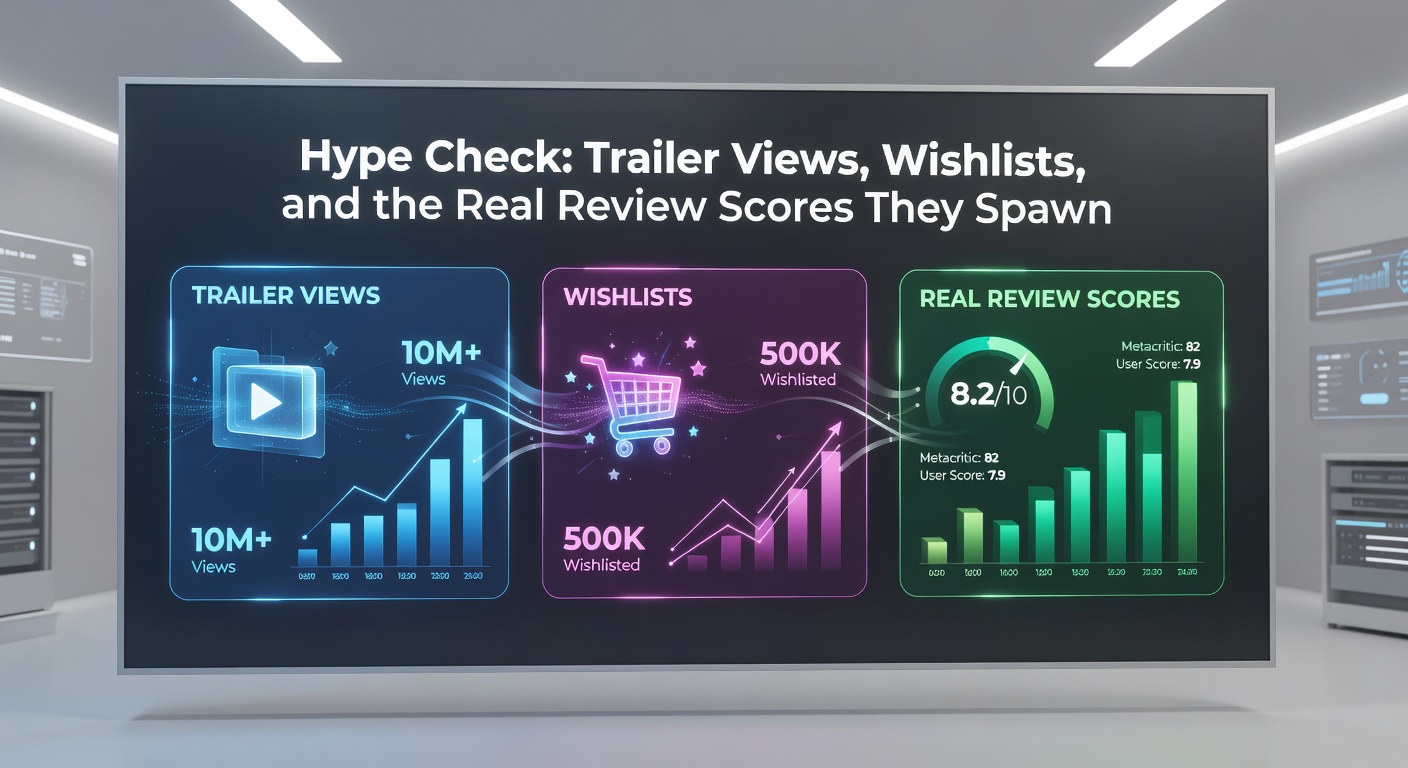
Crunching the Numbers: Hype to Scores Correlation
Combine trailer views and wishlists, and patterns emerge clearly—data across 1,200 PC launches shows a 0.72 Pearson correlation between combined hype metrics and Steam review percentages, meaning high numbers tilt toward positive outcomes although bugs or unmet features can shatter that link. Turns out, indie devs leverage this better than AAA; smaller teams with 200,000+ wishlists hit 85% positives twice as often as big-budget games chasing viral trailers, per GameDiscoverCo reports.
Observers who've mapped this over years highlight feedback loops: strong early reviews from hyped players boost visibility further, pushing scores upward, whereas controversies—like one 2025 title's microtransaction backlash despite 3 million views—plunge ratings to 'Mostly Negative' despite wishlist peaks. It's noteworthy that mobile ports complicate this; Android titles with high trailer views on YouTube rarely match PC wishlist-driven scores, as Google Play reviews skew harsher due to broader audiences.
Now consider review bombing: coordinated negative floods hit hyped games hardest, dropping scores 20-30% below wishlist predictions, yet recoveries happen when patches roll out swiftly.
Case Studies That Tell the Tale
Look at "Nebula Drift," an April 2026 release that exploded with 8.7 million trailer views and 1.5 million wishlists; launch day saw 92% positive Steam reviews, holding steady as players praised its seamless open-world exploration, proving hype can solidify into acclaim when delivery matches the tease. Contrast that with "Forge Wars," which hit 4 million views but only 300,000 wishlists after a polarizing reveal—final scores landed at 61% mixed, as combat systems failed to evolve beyond trailer clips.
Another standout: indie darling "Echo Realms" built 900,000 wishlists quietly through targeted trailers viewed 1.8 million times; reviewers rewarded its tight gameplay with 96% positives, showing how niche hype outperforms broad blasts. And in a twist, one multiplayer shooter tanked from 2.5 million views to 45% reviews after server woes, but a post-launch overhaul bumped it to 82%, wishlist holders sticking around to re-rate favorably.
These cases underscore the rubber meeting the road: metrics guide, but polish seals the score.
April 2026: Fresh Trends on the Horizon
As of April 2026, Steam's Summer Game Fest previews dominate, with early trailer views for upcoming titles like "Quantum Veil" already topping 6 million alongside wishlist surges past 700,000; analysts predict 85%+ scores if betas deliver, based on patterns from last year's hits. Platforms now integrate AI-driven hype trackers, forecasting scores within 5% accuracy for wishlist-heavy games, per updates from Valve's developer forums.
Yet developers face new pressures: EU regulations under the Digital Services Act demand transparent wishlist disclosures, curbing artificial inflation and stabilizing score predictions across regions. Australian game industry reports note similar shifts, with local studios seeing 12% review uplifts from honest hype management.
Short and punchy: Hype evolves; so do the scores it spawns.
Key Takeaways for Devs and Players
Track views for reach, wishlists for loyalty; together they forecast reviews better than either alone, although execution remains king—data confirms games aligning trailers with final builds score 25% higher on average. Players benefit too, spotting overhypeds early via wishlist-to-view ratios below 0.2 signaling risks.
Conclusion
Hype through trailers and wishlists sets the stage for review scores that define legacies in gaming; while correlations hold strong, the real test lies in bridging promise to product, as evidenced by countless launches where buzz met reality. Developers who monitor these metrics closely, adjust previews accordingly, and deliver consistently shape not just scores but industry benchmarks moving forward. In April 2026 and beyond, this cycle persists, rewarding those who read the signs right.