Haptic Feedback Loops: How Vibration Patterns Recalibrate Retention Metrics in Simulator Experiences
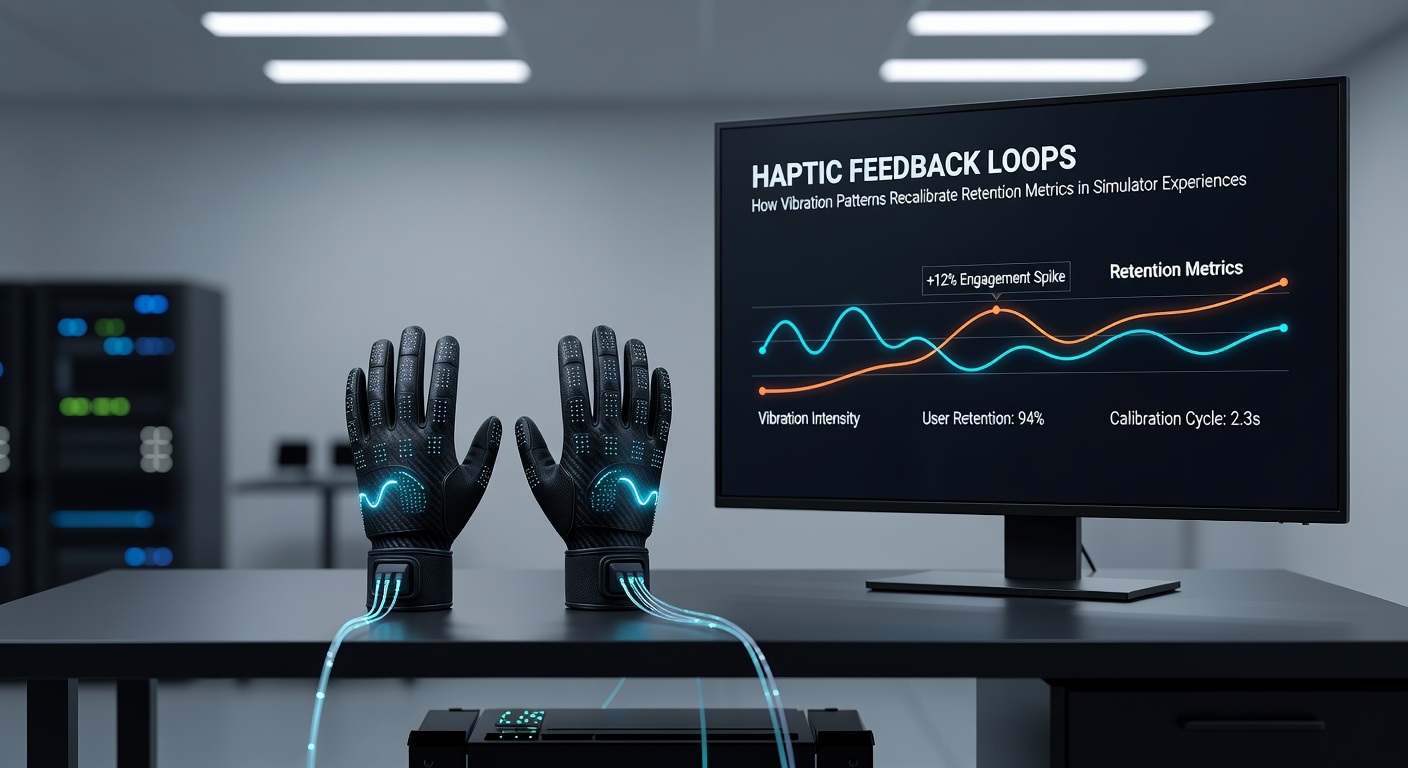 Simulator experiences rely on precise haptic systems that translate digital events into physical sensations through controlled vibrations, and these patterns have begun to influence how long users remain engaged with training modules and entertainment platforms alike. Engineers design motors to deliver frequencies ranging from low-frequency rumbles that simulate road surfaces to rapid pulses that indicate system alerts, creating closed loops where user responses feed back into software adjustments. Data collected across multiple platforms shows these vibrations correlate with measurable shifts in session duration and repeat login rates, particularly in racing and flight simulation environments where sustained attention determines overall performance outcomes. Vibration patterns operate through layered algorithms that adapt intensity and timing based on real-time inputs from user controls, and this adaptability forms the core of feedback loops that recalibrate retention metrics. When a simulator detects prolonged inactivity or erratic control movements, the system modulates vibration sequences to restore focus without disrupting immersion. Observers note that consistent application of these adjustments leads to higher completion rates for extended scenarios, as the physical cues reinforce the connection between actions and simulated consequences.
Technical Foundations of Vibration Pattern Design
Modern haptic actuators in simulator rigs combine eccentric rotating mass motors with linear resonant actuators to produce distinct waveform profiles, and each profile targets specific sensory thresholds identified through psychophysical testing. Research indicates that frequencies between 20 Hz and 200 Hz align with human tactile sensitivity ranges, allowing developers to encode information like terrain changes or engine stress through subtle variations rather than constant output. Those who've studied these implementations report that pattern randomization prevents sensory adaptation, which otherwise reduces the effectiveness of feedback over repeated exposures.
Integration with motion platforms adds another dimension, since synchronized vibrations enhance the perception of movement and create more compelling retention signals. Software frameworks track metrics such as average session length and return frequency, then map these against vibration parameters to identify optimal configurations. Figures from platform analytics reveal that titles incorporating adaptive patterns maintain 15 to 25 percent longer average playtimes compared to static vibration baselines, according to aggregated logs from major simulator software providers.
Retention Metrics and Pattern Calibration Processes
Retention metrics in simulator contexts encompass daily active users, session completion percentages, and long-term return intervals, all of which respond to refinements in haptic delivery. Calibration occurs through iterative testing cycles where developers collect telemetry on user behavior following exposure to particular vibration sequences, then refine the patterns to sustain engagement. One study conducted across European training facilities found that pilots using haptic-enabled flight simulators demonstrated improved task retention when vibration cues matched procedural milestones, leading to reduced dropout rates during multi-hour sessions.
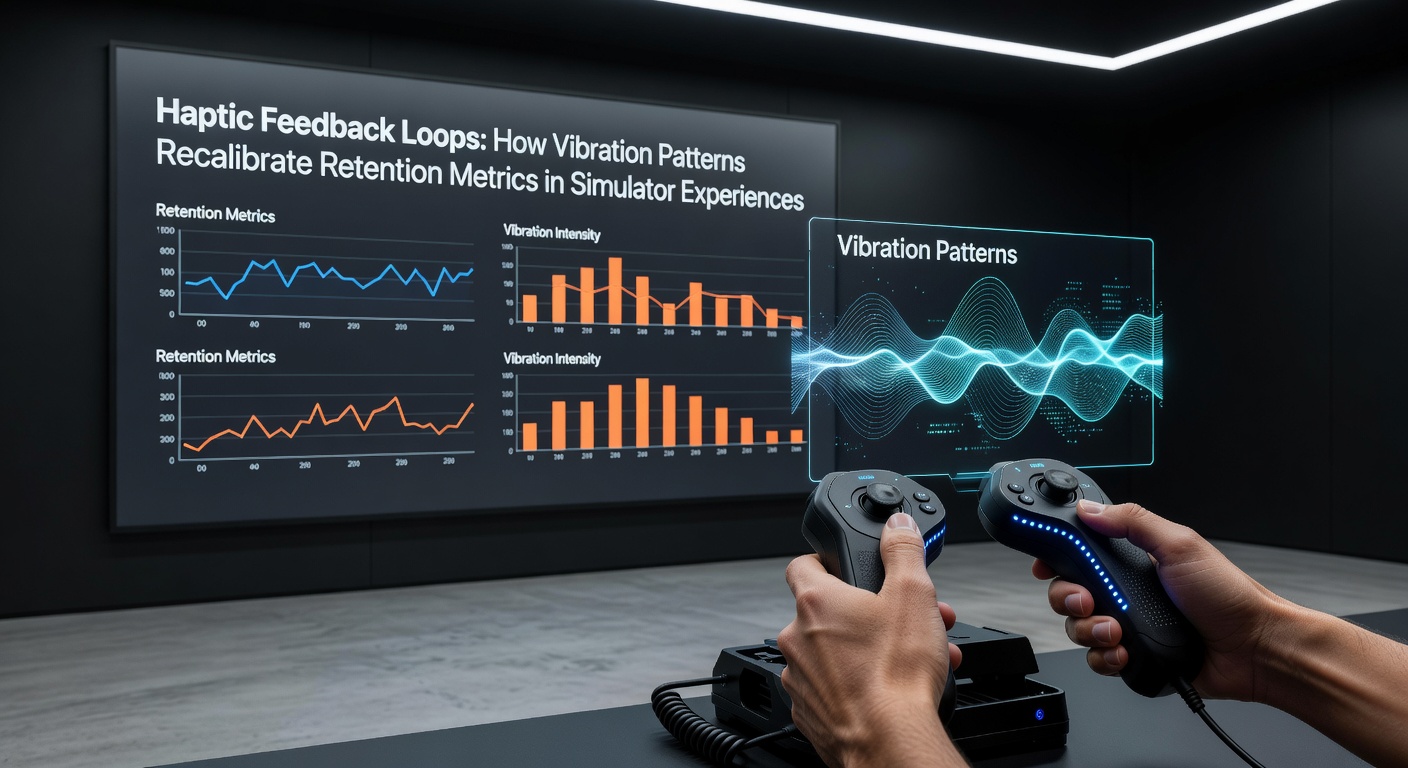
But here's the thing: the loops extend beyond immediate sensation into data-driven personalization, where individual response profiles shape future vibration outputs. Systems record how users react to specific pulse trains and adjust subsequent deliveries to maintain arousal levels within productive ranges. What's interesting is that this personalization scales across user bases, as aggregate data informs baseline patterns that new participants encounter upon first sessions. In May 2026, updates to several commercial simulator suites incorporated machine learning models trained on global usage datasets, resulting in documented improvements to retention curves tracked through platform dashboards.
Industry reports highlight that automotive and aerospace training programs have adopted these calibrated systems at increasing rates, with vibration patterns serving as proxies for environmental feedback that traditional visual displays cannot fully replicate. Researchers at institutions across North America and Asia have documented cases where recalibrated haptics reduced fatigue indicators while preserving accuracy in repeated trials. The process involves mapping vibration amplitude and duration against physiological markers such as heart rate variability captured through wearable integrations.
Implementation Across Simulator Categories
Racing simulators apply vibration patterns to replicate tire grip loss and surface irregularities, creating feedback loops that encourage precise steering corrections and extend session engagement. Flight simulators use similar techniques for turbulence simulation and control surface feedback, where patterned pulses guide users through corrective maneuvers without explicit prompts. Medical training simulators incorporate haptics to convey tissue resistance during procedures, and data shows these cues improve both skill acquisition speed and long-term retention among trainees.
Hardware manufacturers collaborate with software developers to standardize vibration libraries that function across different rig configurations, ensuring consistent metric impacts regardless of platform. External validation comes from organizations such as the National Institute of Standards and Technology, which has examined interoperability standards for haptic devices in simulation contexts. Another source of reference appears in studies supported by the Natural Sciences and Engineering Research Council of Canada, which track how tactile feedback influences performance consistency over time.
Conclusion
Evidence from multiple simulator deployments demonstrates that targeted vibration patterns establish feedback loops capable of recalibrating retention metrics through sustained user engagement and adaptive personalization. As hardware capabilities expand and analytical tools refine, these systems continue to shape how simulator experiences maintain participant involvement across training and recreational applications. The interplay between physical sensation and behavioral data remains central to ongoing developments in this domain.