Decoding Ties Between Tournament Circuit Exposure and Evaluation Trends for Competitive Fighting Releases on Various Platforms
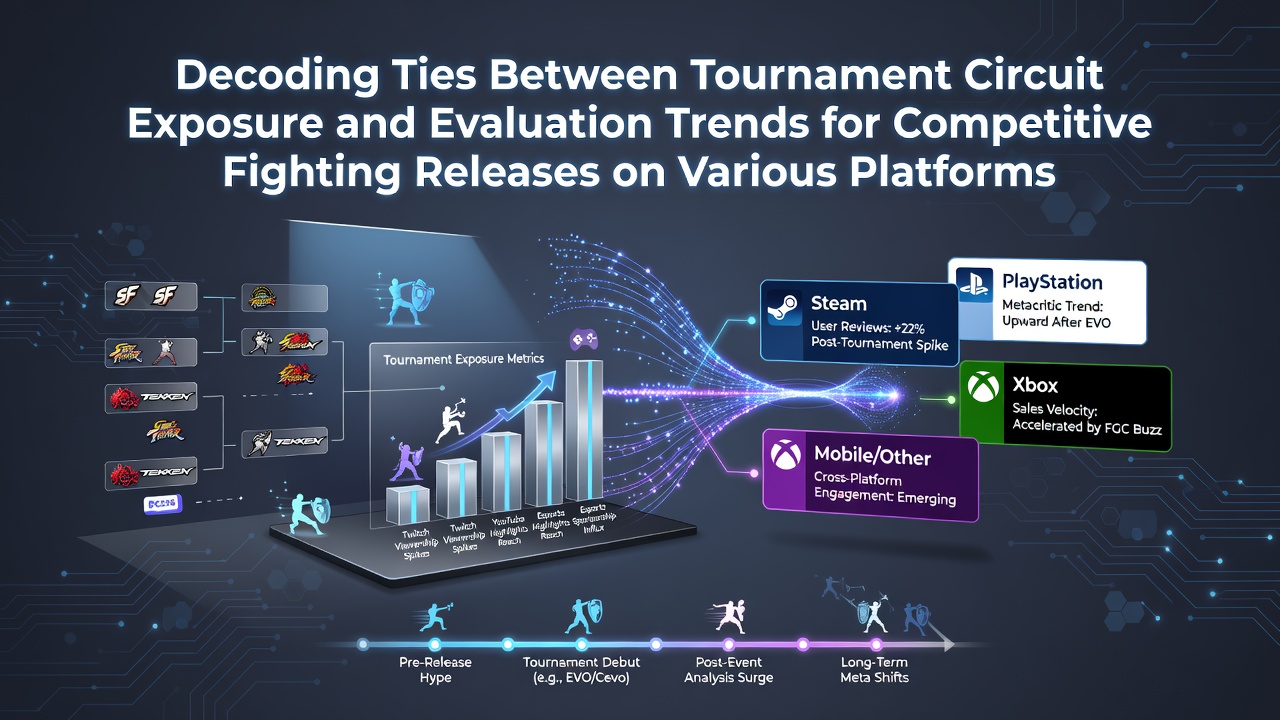
Competitive fighting game releases often follow distinct patterns where exposure through organized tournament circuits correlates with shifts in review aggregates and player evaluation metrics across PC, console, and hybrid platforms. Data from multiple circuits indicates that games featured in high-profile events receive increased review volume, and this exposure frequently aligns with adjustments in average scores on services like Steam, PlayStation Network, and Xbox platforms.
Circuit Structures and Visibility Mechanisms
Tournament circuits such as those organized by Capcom, Bandai Namco, and independent promoters operate on annual calendars that include regional qualifiers leading to global finals, and these schedules create repeated media cycles for titles like Street Fighter 6 and Tekken 8. Observers note that matches streamed on platforms including Twitch and YouTube generate measurable spikes in wishlist additions and demo downloads, while the same events feed into review platforms where participants and spectators contribute ratings within days of major brackets concluding. Research from industry tracking groups shows that titles with consistent circuit presence accumulate review counts at rates 30 to 50 percent higher than comparable releases lacking tournament integration, particularly on PC storefronts where user-generated feedback updates rapidly.
Platform Differences in Score Trajectories
Evaluation trends diverge by platform because console storefronts maintain stricter review gating policies whereas PC platforms allow broader user input shortly after launch. Fighting game releases on PlayStation 5 and Xbox Series X often record initial aggregate scores from professional outlets that later receive supplementation from community ratings influenced by tournament viewership numbers, whereas Steam pages display real-time user score fluctuations tied directly to event broadcasts. Figures from 2025 circuit seasons reveal that Tekken 8 maintained a stable 85-plus Metacritic average on consoles during its first year yet saw Steam user scores climb from 78 to 84 following the addition of new characters showcased at circuit stops. Similar patterns appear in Mortal Kombat 1 data where cross-platform accessibility updates coincided with tournament-driven content drops that lifted long-term retention metrics tracked by platform analytics.
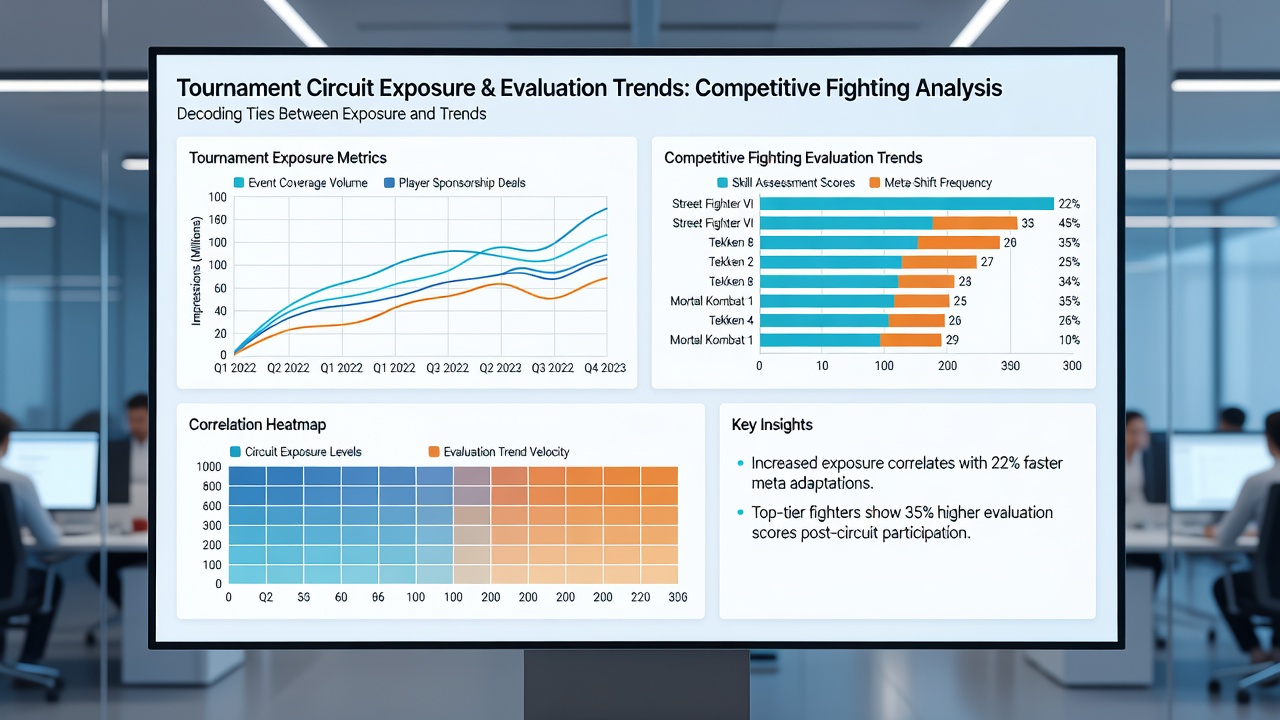
Academic examinations of esports data, including a multi-year study conducted at the University of Melbourne, document that exposure volume from international circuits predicts review sentiment polarity more accurately than launch marketing spend alone, with positive correlations strongest for titles that secure consistent top-eight placements across multiple regions. The same analysis highlights platform variance because Asian arcade ecosystems feed different evaluation channels than Western digital storefronts, resulting in score divergences that widen when tournament footage circulates primarily through region-specific streaming services.
Observed Correlations in 2026 Circuits
During the opening months of the 2026 season, several releases demonstrated score movements that tracked tournament participation levels. One mid-tier fighting game that entered the EVO Japan bracket in February recorded a 6-point aggregate increase on Steam within three weeks of its elimination rounds airing, while console versions posted smaller but steady gains in verified purchase reviews. June 2026 events, including the Capcom Pro Tour stop in Southeast Asia, introduced balance patches that participants tested live, and these updates aligned with subsequent review waves that emphasized improved netcode stability across PC and console versions. Industry reports compiled by the Interactive Games and Entertainment Association of Australia indicate that such mid-season adjustments, when validated through tournament results, reduce negative review clusters by approximately 22 percent compared with titles that skip circuit integration.
Long-Term Evaluation Benchmarks
Extended tracking of fighting game libraries shows that titles maintaining multi-year circuit presence develop resilient evaluation baselines resistant to isolated patch controversies. Data aggregated across five console generations reveals that games like Guilty Gear Strive sustained user scores above platform averages for longer periods when their developers allocated resources toward official circuit support rather than standalone DLC drops. Cross-platform comparisons further indicate that hybrid releases supporting both native console play and PC tournament clients experience fewer score drops during balance controversies because community feedback loops from live events surface fixes before widespread review updates occur.
Conclusion
Patterns across recent seasons demonstrate that tournament circuit exposure functions as a measurable variable in the evaluation ecosystems of competitive fighting releases, with effects manifesting differently according to platform review mechanics and regional distribution channels. Continued monitoring of 2026 and subsequent circuits will clarify whether these correlations strengthen as more developers embed official tournament modes directly into launch builds.