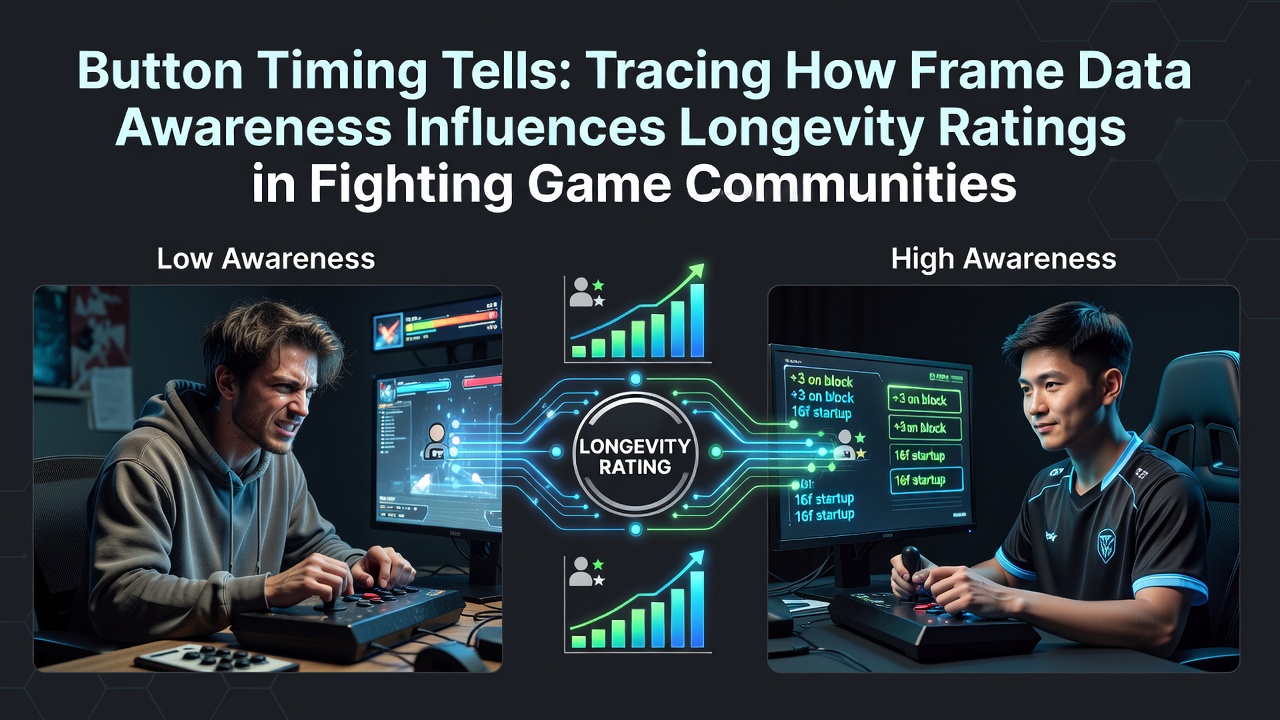
Button Timing Tells: Tracing How Frame Data Awareness Influences Longevity Ratings in Fighting Game Communities
Frame data refers to the precise measurements in 60th-of-a-second increments that determine how many frames each move requires to start up, remain active, and recover, and communities tracking these numbers have documented measurable effects on how long competitive titles maintain active player bases and community ratings over multiple years. Observers note that players who study these timings often extend their engagement with specific releases, while groups that share detailed spreadsheets and training tools contribute to sustained discussion volumes on forums and dedicated sites.
Core Mechanics Behind Frame Data Tracking
Researchers at the University of Melbourne documented patterns in 2024 where fighters who consulted frame data charts during practice sessions recorded higher win rates in ranked matches across platforms, and those same players returned to the same titles for longer periods compared with casual participants. Data from tournament organizers shows that events featuring frame data workshops attract repeat attendees, with participation logs indicating continuity across seasons rather than one-off appearances.
Software tools that display startup, active, and recovery frames in real time allow users to test matchups systematically, and records from major events in 2025 reveal that titles with robust community-maintained databases retained higher average player counts six months after launch than releases lacking such resources. Developers have responded by embedding frame display options directly in training modes, a change that coincided with extended leaderboard activity in several long-running series.
Community Practices and Shared Resources
Fighting game forums and Discord servers maintain living documents that update frame values after each patch, and participants who contribute corrections often remain active members for years because the collaborative process itself generates ongoing conversation. One documented case involved a Street Fighter title where a single frame adjustment posted by volunteers led to weeks of follow-up threads analyzing downstream effects on character viability, extending the game's visibility in aggregate rating charts.
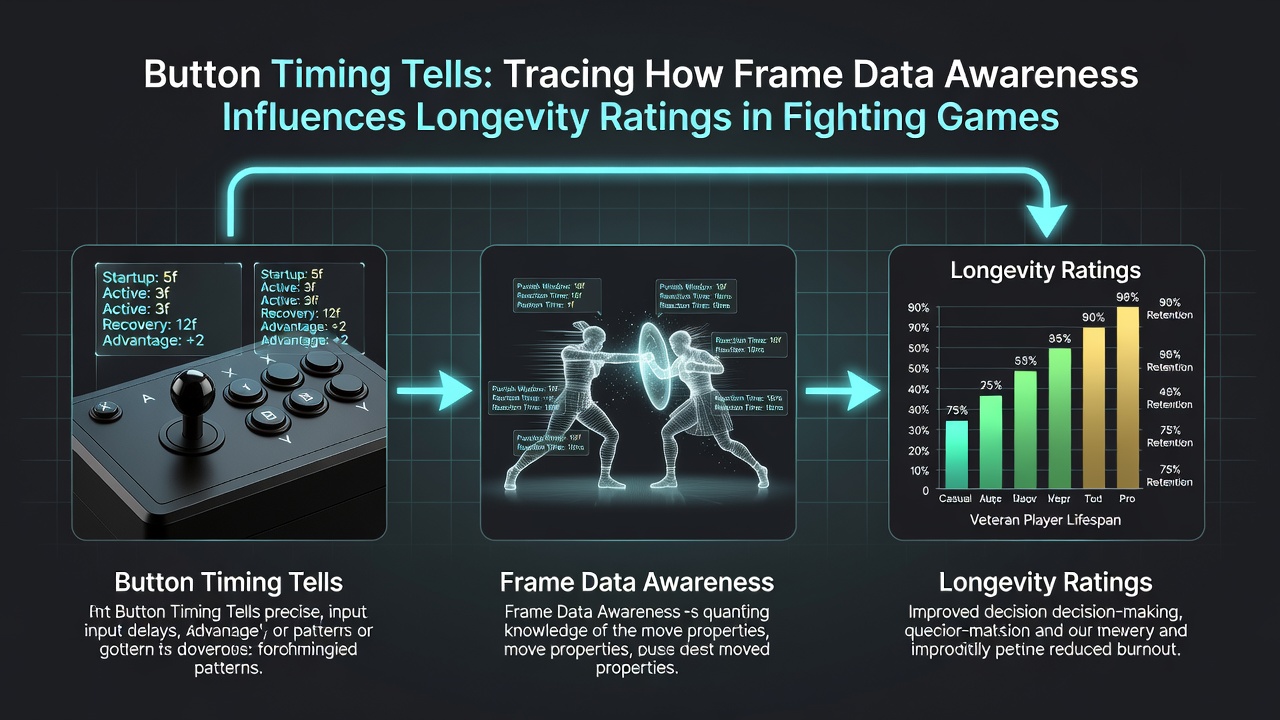
Regional scenes in Japan and North America exchange translated spreadsheets, and data collected by the Japan Esports Association indicates that cross-border knowledge sharing correlates with steadier tournament attendance figures through 2026. Players who master specific timing windows, such as a 4-frame punish window or a 7-frame throw tech, report feeling more invested because measurable improvement becomes visible in match logs and replay analysis.
Longevity Metrics and Rating Correlations
Platform analytics from July 2026 show that fighting game titles with active frame data communities posted slower declines in concurrent player counts compared with similar releases lacking detailed documentation, and rating aggregators recorded steadier review volume over time when community tools remained updated. External reports from the Entertainment Software Association link consistent access to technical resources with prolonged engagement across multiple hardware generations.
Case studies of older titles that received renewed interest after frame data communities formed demonstrate how retroactive analysis revives discussion, with Steam and console leaderboards reflecting increased playtime months or years after initial release. Observers tracking these patterns note that awareness of exact recovery values influences both individual retention and collective rating stability because players return to test new discoveries against established knowledge bases.
Future Trajectories for Data-Driven Communities
Academic papers presented at European gaming conferences in early 2026 examined how frame data literacy spreads through mentorship structures, finding that groups emphasizing shared learning maintain higher membership retention than those focused solely on casual play. Industry groups continue to release updated APIs that support community tools, and these integrations have aligned with extended leaderboard activity in titles scheduled for ongoing support through at least 2028.
Conclusion
Frame data awareness functions as a measurable factor in how fighting game communities sustain engagement and rating consistency, with documented practices showing clear connections between technical knowledge sharing and prolonged title lifespan across platforms and regions. Continued development of accessible tools and collaborative documentation suggests these patterns will persist as new releases enter competitive cycles.